




Michael Oher Lawsuit Explained The Blind Side Conservatorship Case, Allegations, and Latest Updates
Who Is Michael Oher and Why the Lawsuit Started
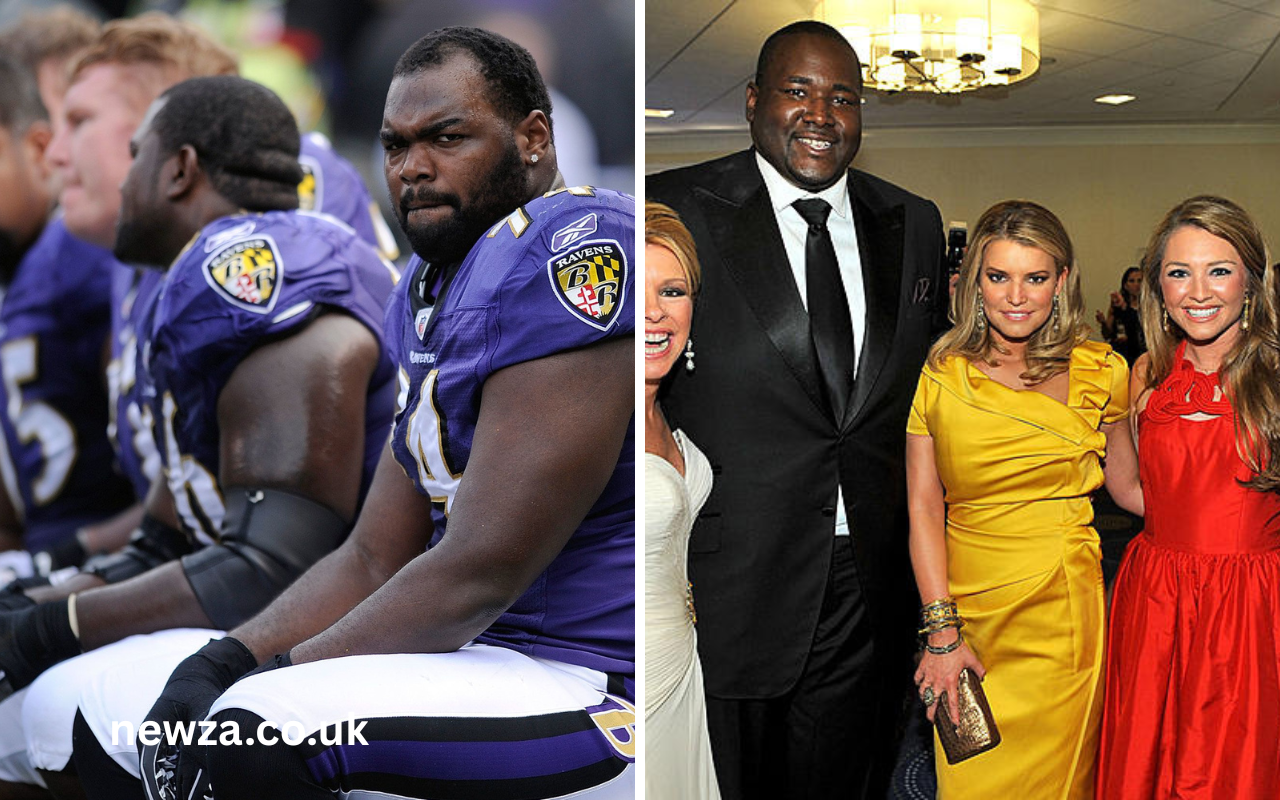
Michael Oher is a former professional American football offensive tackle whose life story inspired the Oscar-winning film The Blind Side. He played in the NFL for teams like the Baltimore Ravens and Tennessee Titans and later became widely known beyond sports due to his remarkable life journey.
The Michael Oher lawsuit began in August 2023 when he filed a legal petition in Tennessee court against Sean and Leigh Anne Tuohy, the family who took him in during his teenage years. The case gained massive media attention because it challenged the widely known adoption story portrayed in The Blind Side.
Oher claimed that what he believed was an adoption was actually a conservatorship agreement, and that he only discovered this legal reality many years later. This discovery led to accusations of financial exploitation and misrepresentation.
What the Conservatorship Really Was About
At the center of the Michael Oher lawsuit is a legal arrangement known as a conservatorship. In 2004, when Oher was 18 years old, the Tuohy family became his conservators, giving them legal authority over certain financial and business decisions.
According to court records and filings, the conservatorship was presented to Oher as part of an adoption process, but legally it functioned differently. Instead of making him a legal child of the family, it granted them control over specific aspects of his financial and legal affairs.
Sean Tuohy and Leigh Anne Tuohy maintained that the arrangement was meant to help Oher with college and eligibility issues, especially related to NCAA rules at the time.
Allegations Made by Michael Oher
In his lawsuit, Michael Oher alleged that the Tuohy family misled him into signing legal documents that he believed were adoption papers. Instead, those documents created a conservatorship that gave the family control over his name, image, and financial decisions.
He also claimed that the family benefited financially from his life story, especially through the success of The Blind Side, which became a major Hollywood film. Oher argued that he did not receive fair compensation from the movie’s success.
Court filings further stated that Oher believed he was part of the family legally, only to later discover that this was not the case. This realization became the foundation of his legal action.
Financial Dispute and The Blind Side Earnings
A major part of the Michael Oher lawsuit involves financial claims related to The Blind Side. The film, released in 2009, became a global success and earned hundreds of millions at the box office.
Oher alleged that the Tuohy family and their children received payments and royalties connected to the movie, while he himself received little to no financial benefit. This included claims about speaking engagements and name usage connected to his story.
Court documents and media reports also highlighted that there were disputes over how much money was actually earned by the family versus what Oher was told. The financial transparency of these earnings became a key issue in the case.
The Tuohy Family’s Response to the Lawsuit
The Tuohy family strongly denied the allegations made by Michael Oher. They stated that the conservatorship was never intended to deceive him but was instead a legal tool to help him transition into college and manage early career decisions.
They also claimed that they never profited unfairly from Oher’s story and that financial distributions related to The Blind Side were handled transparently. According to their statements, the arrangement was based on support rather than exploitation.
The family also expressed emotional distress over the lawsuit, stating that they considered Oher part of their family and disagreed with how the situation was being portrayed publicly.
Court Decisions and Conservatorship Termination
In September 2023, a Tennessee judge officially ended the conservatorship between Michael Oher and the Tuohy family. The court ruled that the legal arrangement was no longer valid and should be terminated immediately.
However, the judge did not dismiss the broader financial dispute, meaning parts of the lawsuit could still continue in legal discussions. This allowed the case to remain active in terms of allegations and financial review.
The termination of the conservatorship was a major turning point in the case, as it legally ended the structure at the center of the dispute.
Public Reaction and Media Attention
Read More : Nathan Andersen Biography, Career, Family Life, Fashion Brand, and Public Recognition Explained
The Michael Oher lawsuit quickly became a major media story due to its connection with The Blind Side, a film that shaped public perception of his life. Many viewers were surprised to learn about the legal differences between adoption and conservatorship.
Public reaction was divided, with some supporting Oher’s claims and others defending the Tuohy family’s intentions. The case also sparked wider discussions about conservatorship laws in the United States.
Media coverage highlighted how powerful storytelling in Hollywood can sometimes differ from real-life legal and financial realities, especially in biographical films.
Current Status and What Happened After
As of recent updates, no major new lawsuits have been filed, and the conservatorship issue itself has already been resolved in court. The case has largely shifted from legal proceedings to public discussion and media analysis.
Oher has continued speaking publicly about financial literacy and athlete protection, using his experience to raise awareness about legal agreements involving young athletes.
While the financial aspects of the case remain a topic of discussion, the legal structure that started the controversy has officially been dissolved.
Conclusion
The Michael Oher lawsuit is more than a celebrity legal dispute; it highlights important issues about conservatorships, trust, and financial transparency. It also shows how real-life stories can differ from their Hollywood portrayals.
The case brought attention to how young athletes and vulnerable individuals can sometimes misunderstand legal agreements if not properly informed. It also encouraged conversations about legal reform and athlete rights.
Ultimately, the lawsuit remains a significant example of how fame, law, and personal history can intersect in complex and unexpected ways.