



Elon Musk and Super Bowl Ads: The Truth Behind the Viral Claims, Media Buzz, and Advertising Reality
Understanding the Viral Question Around Elon Musk and Super Bowl Ads
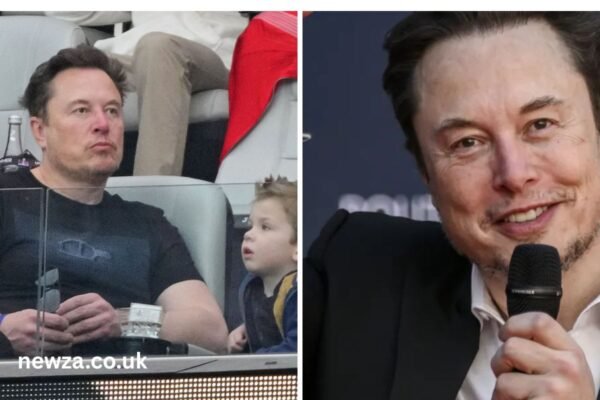
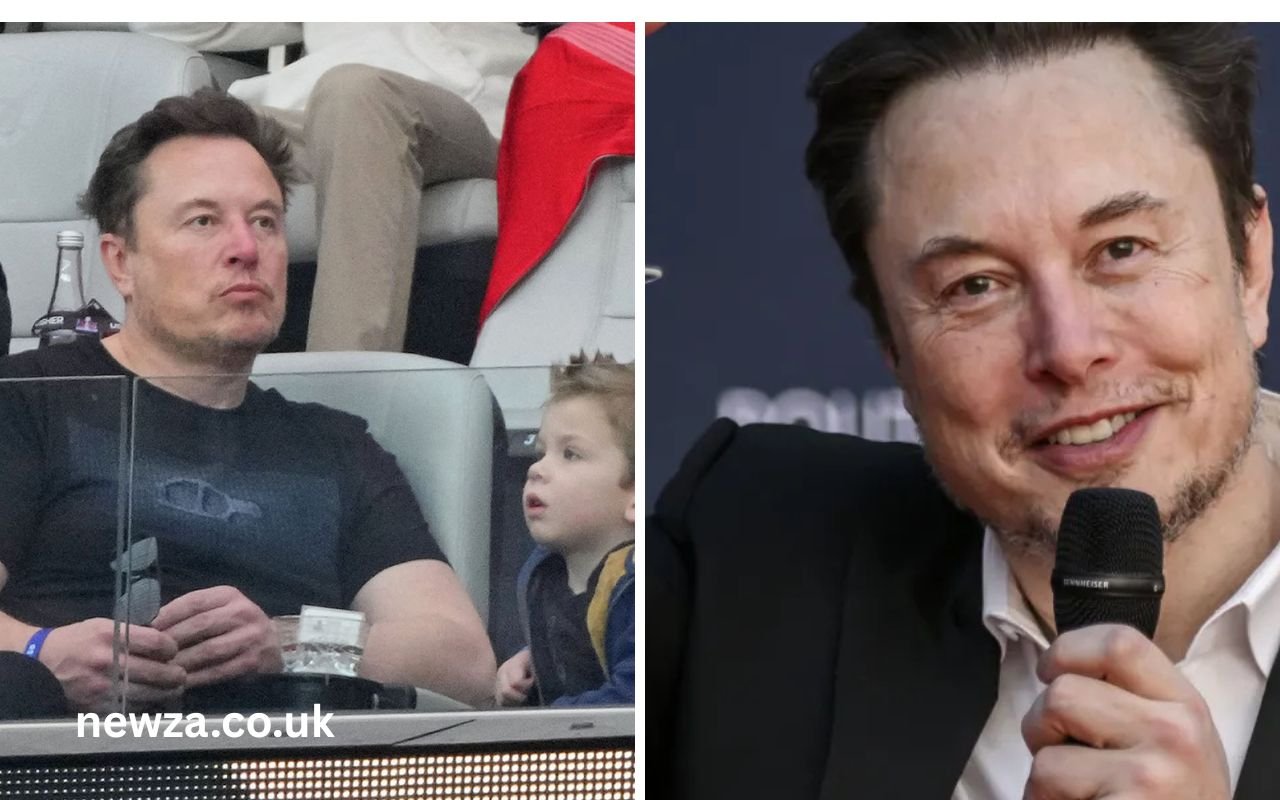
The question of whether Elon Musk bought Super Bowl ads has become one of the most repeated online searches during recent Super Bowl seasons. The idea gained traction because Musk is closely associated with innovation, controversy, and massive financial influence, making any advertising rumor about him feel believable at first glance.
In reality, the viral claim does not align with verified advertising records or official Super Bowl commercial lineups. No confirmed evidence shows that Musk personally purchased Super Bowl advertising slots for political messaging, personal branding, or independent promotional campaigns. The rumor largely exists because of social media amplification rather than factual reporting.
Super Bowl advertising is heavily regulated, publicly documented, and tracked by multiple media agencies. If Musk had directly bought major ad placements, it would have been widely reported by mainstream business and entertainment media long before or during the broadcast.
How the Elon Musk Super Bowl Ad Rumor First Started Online
The rumor appears to have originated from viral social media posts that exaggerated claims about Musk allegedly spending millions on Super Bowl commercials. These posts often used sensational language and lacked any official confirmation or sourcing from advertising databases.
As engagement grew, more users reshared the claim without verification, making it appear more credible than it actually was. In many cases, the posts mixed real Super Bowl advertising images with unrelated captions about Musk, which further confused audiences.
Over time, the narrative evolved into multiple variations, including claims about political messaging or secret announcements. However, no legitimate advertising agency or Super Bowl sponsor list supports these assertions.
Fact-Checking Reports and What They Confirmed
Independent fact-checking organizations reviewed the viral claims and consistently found them to be false. No official Super Bowl ad inventory included Musk as a buyer for standalone commercial slots. This includes both traditional broadcast ads and digital Super Bowl campaigns.
Reports confirmed that the supposed ads circulating online were either unrelated content or digitally altered images. None of the alleged “Elon Musk Super Bowl commercials” were part of the actual broadcast lineup or official advertising schedule.
Trusted sources emphasized that while Musk remains highly influential, there is no verified record of him purchasing Super Bowl advertising time for personal or political purposes.
Why People Believe Elon Musk Could Easily Buy Super Bowl Ads
One major reason the rumor feels believable is Musk’s reputation for wealth and influence. As the leader of companies like Tesla and SpaceX, he is often associated with large-scale financial decisions that shape global industries.
Because Super Bowl ads are known to cost millions of dollars for just seconds of airtime, many people assume that someone with Musk’s resources could easily dominate the advertising space. This perception makes viral claims seem realistic even when they are not supported by evidence.
Another factor is Musk’s strong presence on social media platform X, where his posts frequently go viral. This constant visibility contributes to the belief that he is involved in almost every major media conversation, including Super Bowl advertising.
Elon Musk’s Actual Advertising Strategy and Philosophy
Unlike traditional corporate leaders, Elon Musk has historically avoided conventional advertising strategies. His companies, especially Tesla, have relied heavily on word-of-mouth marketing, product demand, and media attention rather than paid television commercials.
This approach has been widely discussed in business circles as a deliberate strategy. Instead of investing in expensive ad campaigns, Musk has often focused on building product hype through innovation announcements and public engagement.
However, this does not mean his companies never advertise. It simply means their marketing approach is selective and strategic rather than centered on major television events like the Super Bowl.
The Real Connection Between Musk-Linked Companies and Super Bowl Ads
While Musk himself did not buy Super Bowl ads, companies connected to him have appeared in Super Bowl marketing through collaborations. One of the most notable examples involves Starlink, the satellite internet service operated under SpaceX.
Starlink has been featured in large-scale commercial campaigns, including partnerships with telecom companies that aired during Super Bowl broadcasts. These appearances often get misinterpreted as Musk personally purchasing ad time.
The distinction is important because corporate partnerships are different from individual ad purchases. In these cases, advertising decisions are made at the company level, not as personal campaigns by Musk himself.
Starlink’s Growing Presence in High-Profile Advertising
Starlink has gradually increased its visibility in mainstream media advertising due to its global internet coverage capabilities. As a satellite-based internet service, it naturally fits into large-scale promotional campaigns that emphasize connectivity and innovation.
During recent Super Bowl seasons, Starlink appeared in advertisements either independently or through collaborations with telecom brands. These campaigns focused on expanding internet access to rural and remote regions.
Although these appearances involve Musk’s broader business ecosystem, they are not evidence of personal Super Bowl ad purchases. Instead, they reflect corporate marketing strategies for emerging technology services.
How Social Media Amplifies Elon Musk-Related Rumors
The combination of Elon Musk’s public profile and the Super Bowl’s global audience creates a perfect environment for viral misinformation. When unverified claims appear online, they often spread rapidly due to Musk’s frequent association with trending topics.
Social media users tend to share sensational headlines without checking official advertising sources. This leads to rapid amplification of rumors that appear credible but lack factual support.
Over time, these repeated claims form a false narrative that becomes difficult to correct, especially when search trends and discussions reinforce the misinformation cycle.
Why Super Bowl Advertising Rumors Spread So Easily
Read More : Chris Blake Griffin: Meaning, Identity Confusion, and Cultural Impact Explained
Super Bowl advertising is one of the most expensive and high-profile marketing spaces in the world. Because of this, audiences are naturally curious about who is participating and what messages are being broadcast.
This curiosity creates opportunities for misinformation to spread quickly, especially when it involves high-profile figures like Elon Musk. The emotional appeal of believing that a tech billionaire might use the Super Bowl for major announcements increases engagement with such rumors.
Additionally, the lack of immediate verification during live events allows false claims to circulate freely before fact-checking reports can correct them.
Final Truth About Elon Musk and Super Bowl Ads
After reviewing available evidence and verified reports, the conclusion is clear that Elon Musk did not personally buy Super Bowl ads. The viral claims are based on misinformation and social media exaggeration rather than factual advertising records.
However, companies associated with him, especially within the SpaceX ecosystem, have participated in Super Bowl-related advertising through partnerships and commercial collaborations. This is likely the root cause of public confusion.
Ultimately, the story highlights how easily misinformation can spread during global events and how important it is to verify claims before accepting viral narratives as truth.